Trigger Point Therapy
Trigger points are hyperirritable spots in muscle tissue that can cause local pain and often refer pain to other areas of the body. These "knots" develop from muscle overuse, injury, stress, or prolonged poor posture, and can persist long after the initial cause has resolved.
Trigger point therapy uses focused, sustained pressure on these specific points to help release the contracted muscle fibers. This technique can be remarkably effective for addressing pain patterns that seem to originate in one area but are actually caused by trigger points elsewhere in the body.
What to Expect
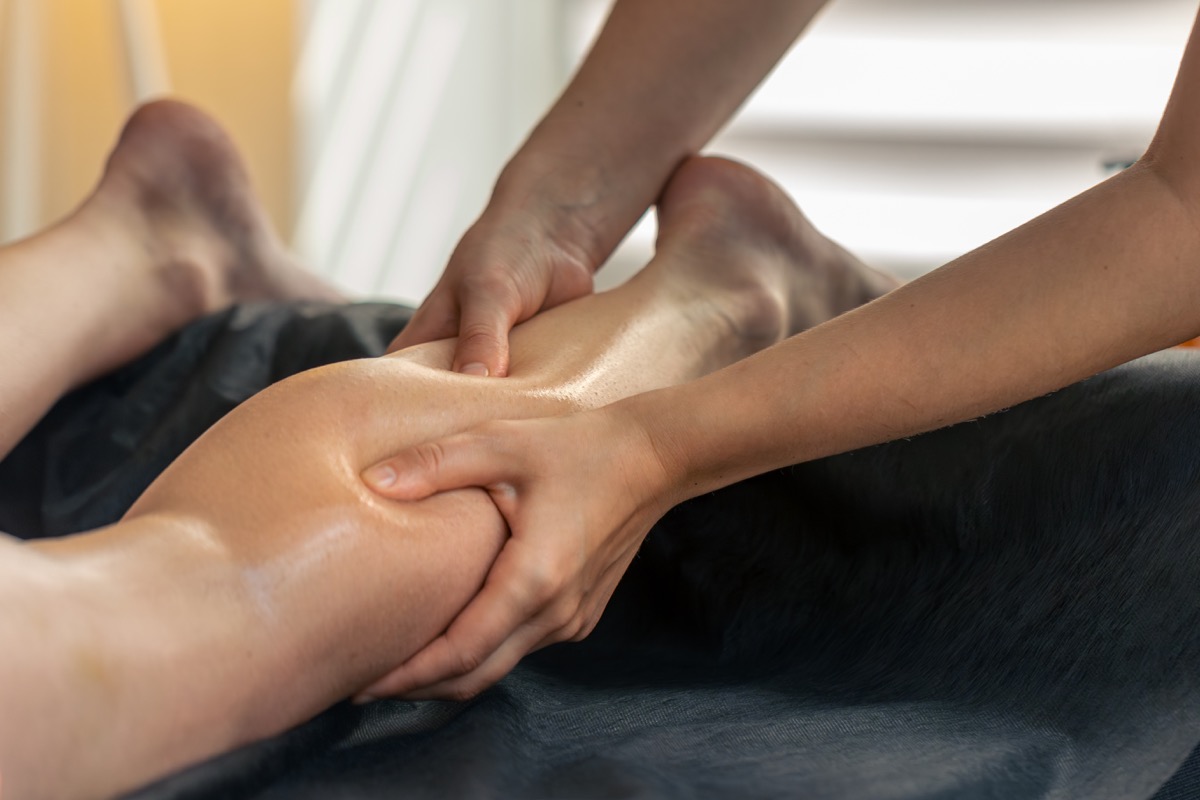
During your session, we'll work together to identify your trigger points and their referral patterns. Direct pressure is applied to each point and held until the tissue begins to release. You may feel a familiar discomfort that confirms we've found the right spot. The pressure is always within your tolerance level.
Understanding where your pain actually comes from is often the first step toward finding relief. Trigger points frequently cause symptoms in unexpected places.
Benefits of Trigger Point Therapy
- Targets specific areas of muscle tension
- May help reduce referral pain patterns
- Can improve range of motion in affected areas
- Addresses persistent muscle knots
- Often effective for tension headaches
- Complements other massage techniques
Common Areas for Trigger Points
Trigger points frequently develop in the upper trapezius (causing neck and head discomfort), the muscles between the shoulder blades, the lower back, and the hip and glute area. Desk workers often develop trigger points in the neck and shoulders, while athletes may find them in the legs and hips.
When pressure is applied to an active trigger point, you'll typically feel a sensation that's familiar, like "that's the spot" or "that's my pain." It may feel tender and may cause referred sensation to another area. The pressure should feel therapeutic, not unbearable.
This depends on how long the trigger points have been present and what's causing them. Some people feel significant improvement after one session, while chronic patterns may require several sessions. We'll also discuss strategies to prevent trigger points from returning.
Yes! Self-massage tools like tennis balls or foam rollers can help maintain the work between sessions. I can show you specific techniques for your trigger points. Stretching, staying hydrated, and addressing postural habits also support long-term improvement.